

1. Introduction
In today’s fast-paced digital-first world, businesses no longer rely solely on traditional marketing methods like print ads or TV commercials. Instead, they focus on reaching customers where they spend most of their time — online. Whether it’s through Google searches, social media, emails, or video platforms, digital marketing has become the backbone of every successful business strategy.
With this growing shift, the demand for digital marketing professionals has skyrocketed. According to industry reports, digital marketing is one of the fastest-growing career fields in 2025, offering opportunities across industries like e-commerce, IT, education, healthcare, and even small startups. Companies, big and small, are willing to invest heavily in skilled professionals who can help them build strong online visibility and generate consistent revenue.
This surge in demand has led to a rise in the number of digital marketing courses, both online and offline. These courses are designed to teach everything from SEO (Search Engine Optimization) and social media marketing to email campaigns, paid ads, and web analytics. But with so many options available, choosing the right digital marketing course can be overwhelming.
That’s where this comprehensive guide comes in. In this blog, we’ll walk you through:
- What a digital marketing course is all about
- The different types of courses available
- Duration and fees you can expect
- The syllabus and key modules you’ll learn
- Top digital marketing institutes like DGMark Institute, IIDE, Digital Scholar, Boston Institute, and IIM
- Jobs and career opportunities after completion
- Salary trends in India and abroad
- Tips to select the best course for your career goals
By the end of this blog, you’ll have a complete roadmap to decide whether a digital marketing course is right for you and, if yes, how to pick the one that will actually shape your future.
So, if you’re a student looking to start your career, a professional aiming for a career switch, or an entrepreneur wanting to grow your business online — this guide will give you everything you need before you enroll in a digital marketing course.
2. What Is a Digital Marketing Course?
A digital marketing course is a structured training program that teaches individuals how to promote products, services, or brands using online platforms. Unlike traditional marketing, which focuses on print, TV, or radio, digital marketing is about connecting with customers on the internet — through Google, social media, websites, apps, and emails.
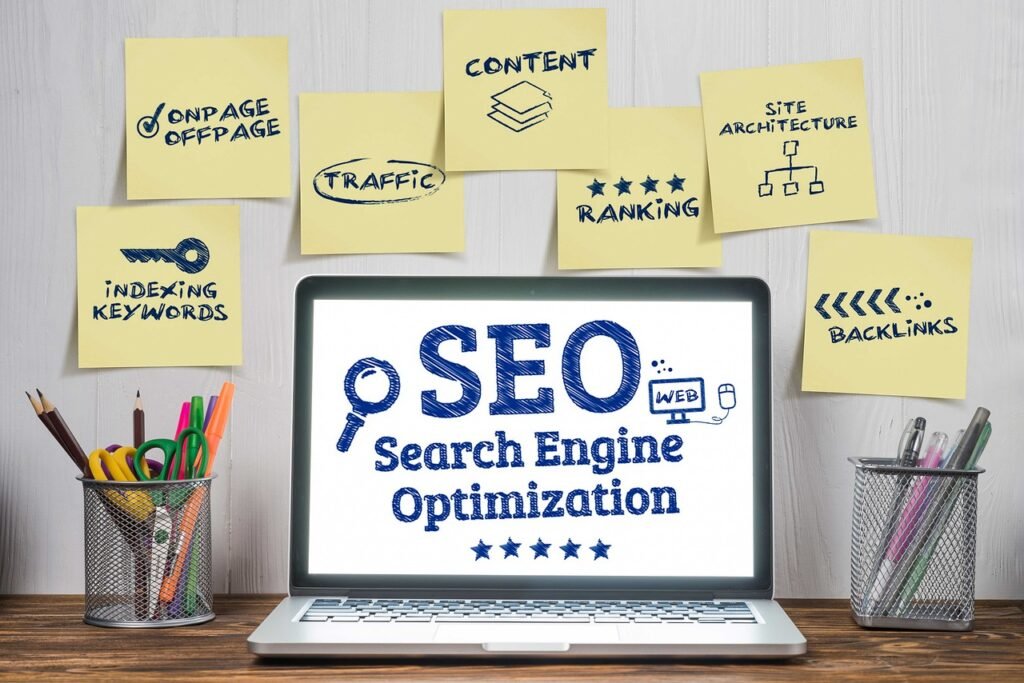
The goal of a digital marketing course is to equip learners with the practical skills and tools required to run successful online marketing campaigns. These courses typically cover everything from search engine optimization (SEO) and social media marketing to paid advertising, analytics, and content strategy.
Who Should Take a Digital Marketing Course?
Digital marketing isn’t limited to just one audience — it’s a skill set valuable across professions. Here’s who can benefit the most:
- Students & Fresh Graduates – Looking for in-demand skills that can open doors to high-paying jobs.
- Working Professionals – Especially those in marketing, sales, or IT, who want to switch careers or upgrade their skills.
- Entrepreneurs & Business Owners – To promote their own businesses without depending fully on agencies.
- Freelancers – Interested in building a career in freelance SEO, social media, or content marketing.
- Homemakers or Career Restarters – Who want to work remotely and earn flexible income through freelancing or consulting.
Online vs. Offline Digital Marketing Courses
Both online and offline courses are available, each with its own advantages:
- Online Courses
- Flexible and self-paced
- Accessible from anywhere
- Often more affordable
- Popular platforms: Coursera, Udemy, HubSpot, Google Digital Garage
- Offline Courses
- Classroom-based training with in-person mentoring
- Networking opportunities with peers and instructors
- More practical exposure through workshops
- Popular at institutes like IIDE, DGMark Institute, Digital Scholar, Boston Institute, and IIM
Choosing between online and offline depends on your learning style, budget, and career goals. If you’re a self-learner who prefers flexibility, online might be best. But if you want mentorship, networking, and hands-on practice, an offline classroom setting could be more effective.
Why Digital Marketing Courses Are Growing in Demand
- Digital-first economy – Almost every business needs online marketing.
- Career opportunities – From startups to MNCs, demand for skilled marketers is huge.
- Remote jobs & freelancing – Work from anywhere, with clients worldwide.
- Affordable learning – Compared to MBAs or long-term degrees, digital marketing courses are shorter and cost-effective.
- Certifications – Recognized certifications (Google, HubSpot, Meta) add value to your resume.
In simple terms, a digital marketing course bridges the gap between theory and practice. It gives you not only the knowledge but also the skills, strategies, and tools you need to succeed in today’s highly competitive digital landscape.
3. Why Should You Enroll in a Digital Marketing Course?
Before investing your time and money, it’s natural to ask: “Is a digital marketing course really worth it?” The short answer is yes — if you choose the right course. The world is shifting rapidly to digital platforms, and businesses need experts who can help them stay competitive.
Here are the top reasons why enrolling in a digital marketing course is a smart career move in 2025:
1. High Career Demand & Job Opportunities
Digital marketing is no longer optional — it’s a necessity for businesses of all sizes. According to reports, India alone is expected to generate 1.3+ million digital marketing jobs by 2030. Globally, companies are hiring SEO specialists, social media managers, and PPC experts at record speed.
A structured course prepares you for these roles by teaching industry-relevant skills. Unlike many traditional degrees, you don’t need to spend 3–4 years to become job-ready — even a 6-month certification course can open doors to high-paying jobs.
2. Attractive Salary Packages
Digital marketing professionals are among the highest-paid in the marketing field. For example:
- Entry-level salaries in India: ₹3–5 LPA
- Mid-level (3–5 years experience): ₹7–12 LPA
- Senior-level experts & managers: ₹15–25 LPA+
Freelancers can earn even more depending on the number of clients they handle.
By completing a reputed course, you not only gain skills but also increase your salary potential compared to peers without formal training.
3. Freelance & Entrepreneurial Opportunities
Not everyone wants a 9-to-5 job. Many digital marketers choose to work as freelancers, offering services like SEO, social media management, or content writing to global clients. Platforms like Upwork, Fiverr, and Freelancer are full of opportunities.
Similarly, entrepreneurs and business owners can save huge amounts by learning digital marketing themselves instead of outsourcing everything to agencies. For example, a small business owner can run Facebook Ads or optimize their website for Google without hiring expensive consultants.
4. Stay Relevant in a Digital-First Economy
Every business — from fashion brands to doctors — needs digital visibility. With more than 1 billion internet users in India and over 5 billion globally, digital platforms are where customers are.
Enrolling in a course ensures you stay relevant and future-proof, as traditional marketing skills alone are no longer enough.
5. Industry Recognition & Certifications
A major advantage of digital marketing courses is that they often provide certifications from globally recognized organizations like:
- Google (Analytics, Ads, Digital Garage)
- HubSpot
- Facebook Blueprint (Meta)
- SEMrush Academy
These certifications act as a stamp of credibility on your resume, showing employers and clients that you have verified skills.
6. Quick Learning, Faster Career Switch
Unlike traditional degrees that take years, a digital marketing course can be completed in as little as 3 to 6 months. This makes it ideal for:
- Students who want quick job opportunities
- Working professionals looking to switch careers
- Homemakers or career restarters seeking flexible options
It’s one of the few skill sets where you can learn, apply, and earn in a short period.
7. Global Career Opportunities
Digital marketing is not restricted by geography. Whether you’re in Mumbai, New York, or London, the skills remain the same. Once you master the techniques, you can work with clients worldwide or even land remote jobs with international companies.
👉 In short, enrolling in a digital marketing course is more than just learning how to run ads or post on social media. It’s about gaining future-proof skills that can lead to jobs, freelancing, entrepreneurship, and global career opportunities.
4. Types of Digital Marketing Courses
The term “digital marketing course” is broad. Depending on your career goals, time, and budget, you can choose from different types of courses. Each type caters to a different audience, ranging from beginners to advanced professionals.
1. Short-Term Certification Programs
These are usually online or offline courses that last anywhere from a few weeks to three months. They are perfect for:
- Students who want to add an extra skill to their resume.
- Professionals looking for a quick upskilling option.
- Entrepreneurs who want to learn practical techniques to grow their businesses.
Examples: Google Digital Garage, HubSpot Academy certifications, and short courses on Coursera or Udemy.
Pros: Affordable, flexible, beginner-friendly.
Cons: Limited depth, less focus on hands-on projects.
2. Diploma in Digital Marketing
Diploma programs are more detailed than short-term certifications and usually last between 6 months to 1 year. They cover all the major modules of digital marketing, including SEO, PPC, content marketing, and analytics.
They are well-suited for:
- Students who want a structured program.
- Professionals seeking a career switch.
- Job seekers looking for placement support.
Institutes like DGMark Institute, IIDE, and Digital Scholar offer comprehensive diploma programs with industry-recognized certification.
Pros: Detailed learning, practical exposure, better industry recognition.
Cons: Higher cost compared to short-term courses.
3. Degree Programs in Digital Marketing
Some universities and business schools now offer BBA, MBA, or Master’s programs specializing in digital marketing. These programs can span 2–3 years and are ideal for students who want an academic background in marketing combined with digital skills.
Examples include MBA programs at IIMs or digital marketing-focused business schools abroad.
Pros: Strong academic foundation, valuable for leadership roles.
Cons: Time-consuming, expensive, not necessary if you only want technical/practical skills.
4. Specialized Courses in Digital Marketing
For learners who want to master a particular area of digital marketing, specialized courses are the best option. These focus deeply on one subject rather than covering everything.
Some popular specializations include:
- SEO (Search Engine Optimization) – Ranking websites on Google.
- PPC/SEM (Paid Ads) – Mastering Google Ads, Bing Ads, and retargeting campaigns.
- Social Media Marketing – Facebook, Instagram, LinkedIn, TikTok marketing strategies.
- Content Marketing – Blogging, copywriting, storytelling.
- Email Marketing – Email automation, segmentation, and drip campaigns.
- Web Analytics – Google Analytics 4, Tag Manager, and data-driven decision making.
- Affiliate Marketing – Earning commissions through product promotions.
Pros: High-level expertise, good for professionals who want to specialize.
Cons: Not suitable for absolute beginners.
5. Beginner vs. Advanced vs. Professional-Level Courses
Courses are often divided based on skill level:
- Beginner Courses – Cover basics like SEO, social media, and content. Suitable for students and freshers.
- Advanced Courses – Include in-depth strategies, campaign planning, and advanced analytics. Designed for professionals or entrepreneurs.
- Professional-Level Courses – Focused on leadership, strategy, and management roles. Often offered as executive programs by institutes like IIM.
Choosing the Right Type of Course
When deciding which course to pursue, consider the following factors:
- Your career goal (job, freelancing, or business growth).
- Time commitment (weeks vs. years).
- Budget (free courses vs. premium MBA programs).
- Learning preference (online flexibility vs. offline classroom learning).
By understanding the different types of digital marketing courses, you can align your choice with your long-term career objectives.
5. Digital Marketing Course Duration & Fees
Before enrolling, one of the most important factors to consider is how long a course will take and how much it will cost. Both the duration and fees vary widely depending on the type of course, the institute, and whether it is offered online or offline.
1. Duration of Digital Marketing Courses
Digital marketing courses can range from just a few weeks to multiple years. The typical durations are:
- Short-Term Certification Programs:
Duration: 4 weeks to 3 months
These focus on fundamentals such as SEO, social media basics, and introductory campaigns. - Diploma in Digital Marketing:
Duration: 6 months to 1 year
These provide a comprehensive syllabus covering all aspects of digital marketing with projects and internships. - Specialized/Niche Courses:
Duration: 1 month to 6 months
Courses like SEO mastery or PPC advertising may be shorter but more intensive. - Undergraduate Degrees (BBA with Digital Marketing Specialization):
Duration: 3 years
Designed for students who want a full academic course in marketing with a digital focus. - Postgraduate Programs (MBA or Executive MBA in Digital Marketing):
Duration: 1 to 2 years
These programs are in-depth and cover management, strategy, and leadership skills along with technical expertise.
2. Fees for Digital Marketing Courses
The cost of digital marketing training also varies depending on the course level and institute. Here’s an approximate breakdown:
- Free/Low-Cost Courses:
Range: ₹0 – ₹10,000
Platforms like Google Digital Garage, HubSpot Academy, and Coursera offer free or affordable beginner-friendly options. - Short-Term Certifications:
Range: ₹15,000 – ₹50,000
Offered by online learning platforms and smaller training centers. - Diploma Programs:
Range: ₹50,000 – ₹1,50,000
These are typically offered by reputed institutes such as DGMark Institute, IIDE, and Digital Scholar. - Specialized Courses:
Range: ₹20,000 – ₹80,000
Depending on the topic, niche-focused training like SEO, PPC, or social media marketing can fall in this range. - Degree Programs (BBA, MBA, PG Diploma):
Range: ₹2,00,000 – ₹10,00,000+
Universities and business schools such as IIM or international institutes charge premium fees for their digital marketing programs.
3. Factors That Influence Course Fees
Several factors affect the cost of a digital marketing course:
- Institute reputation – Top-ranked institutes generally charge higher fees.
- Course format – Offline classroom-based training is often more expensive than online courses.
- Faculty expertise – Courses taught by industry experts tend to cost more.
- Added benefits – Features like internships, career counseling, placement support, and access to premium tools can increase the price.
4. Value for Money Consideration
It is important not to base your decision solely on cost. A slightly higher fee may provide better long-term value if the course includes:
- Practical training on live projects.
- Recognized certifications.
- Internship or placement support.
- Access to industry tools like SEMrush, HubSpot, or Google Ads credits.
In short, digital marketing courses are available at almost every price point and time commitment. Whether you want a free beginner’s course or a full-time MBA, there is an option for every career stage and budget.
6. Digital Marketing Course Syllabus / Modules
The core strength of any digital marketing course lies in its syllabus. A well-designed program covers all the essential areas of online marketing, giving learners both theoretical knowledge and practical skills. While the exact curriculum may vary between institutes, most courses include the following key modules:
1. Search Engine Optimization (SEO)
SEO is the process of improving a website’s visibility on search engines like Google.
Topics generally covered include:
- On-page SEO: optimizing titles, meta tags, headings, and content.
- Off-page SEO: backlinks, guest posting, and outreach strategies.
- Technical SEO: site speed, mobile-friendliness, and crawlability.
- Keyword research and content optimization.
- SEO tools: SEMrush, Ahrefs, Moz, Google Search Console.
2. Search Engine Marketing (SEM) and Pay-Per-Click (PPC)
SEM involves running paid advertisements on search engines. PPC campaigns ensure businesses appear at the top of search results.
- Google Ads and Bing Ads campaign creation.
- Keyword targeting and bidding strategies.
- Ad copywriting and A/B testing.
- Display ads, video ads, and remarketing.
- Performance analysis with Google Ads Manager.
3. Social Media Marketing (SMM)
Social media platforms are central to digital marketing strategies.
- Organic vs. paid social media marketing.
- Facebook, Instagram, Twitter (X), LinkedIn, and TikTok strategies.
- Creating engaging content for different platforms.
- Influencer collaboration and community management.
- Paid advertising and targeting on social platforms.
- Social media analytics and reporting.
4. Content Marketing and Copywriting
Content is the foundation of all digital campaigns.
- Blogging and article writing for SEO.
- Content strategy and planning.
- Storytelling and persuasive copywriting.
- Video content creation for YouTube and social media.
- Content distribution across multiple platforms.
5. Email Marketing and Automation
Despite being one of the oldest forms of digital marketing, email marketing remains highly effective.
- Building email lists organically.
- Email campaign design and optimization.
- Segmentation and personalization strategies.
- Automation tools such as Mailchimp and ConvertKit.
- Measuring open rates, click-through rates, and conversions.
6. Affiliate Marketing
Affiliate marketing allows marketers to earn commissions by promoting other companies’ products.
- Setting up affiliate programs.
- Choosing the right affiliate networks (Amazon Associates, ShareASale, CJ Affiliate).
- Content-driven affiliate marketing strategies.
- Tracking performance and optimizing ROI.
7. Web Analytics and Data-Driven Marketing
Analytics is essential to measure the success of campaigns.
- Google Analytics 4 fundamentals.
- Setting up events, goals, and conversions.
- Using Google Tag Manager.
- Understanding customer journeys.
- Creating reports and dashboards.
8. Influencer and Personal Branding
Influencer marketing is growing rapidly across industries.
- Identifying and collaborating with influencers.
- Negotiating partnerships and measuring ROI.
- Building a personal brand on LinkedIn and Instagram.
- Leveraging micro-influencers for niche audiences.
9. E-commerce and Mobile Marketing
For businesses selling online, digital marketing courses also cover:
- E-commerce store optimization.
- Running ads for e-commerce products.
- Conversion Rate Optimization (CRO).
- Mobile app marketing strategies.
- Push notifications and SMS campaigns.
10. Artificial Intelligence (AI) in Digital Marketing
Modern courses are now integrating AI tools and strategies.
- Using AI for content generation and ad copy.
- Chatbots for customer service.
- Predictive analytics for customer behavior.
- AI-driven SEO and personalization tools.
11. Tools and Platforms Training
Most institutes provide hands-on experience with industry tools such as:
- Google Ads and Google Analytics.
- SEMrush, Ahrefs, and Moz.
- Facebook Ads Manager.
- HubSpot CRM and marketing tools.
- Canva, WordPress, and Shopify.
A robust syllabus ensures that students are job-ready and capable of handling real-world challenges. Institutes that update their curriculum regularly to include the latest trends, such as AI in marketing and new social platforms, give learners a significant edge.
7. Top Digital Marketing Institutes in India (and Globally Recognized)
With the rising demand for skilled digital marketers, several institutes have emerged offering high-quality training programs. Choosing the right institute is critical because it directly impacts the depth of knowledge, the kind of certifications you receive, and your career opportunities after the course.
Here is an overview of some of the top institutes:
1. DGMark Institute
DGMark Institute is a well-known digital marketing training provider offering both classroom and online programs.
- Course Highlights:
- Covers all major modules including SEO, SEM, social media, content, and analytics.
- Emphasis on practical learning through live projects and case studies.
- Placement assistance and career counseling.
- Duration: 3 to 6 months depending on the program.
- Fees: ₹40,000 – ₹80,000 (approximate).
- Why Choose: Known for industry-relevant curriculum and affordable training options.
2. IIDE (Indian Institute of Digital Education)
IIDE is one of India’s most reputed digital marketing institutes, headquartered in Mumbai. It is often recognized as a leader in structured, modern learning.
- Course Highlights:
- Offers short-term certifications, advanced digital marketing programs, and executive education.
- Combination of live online training, recorded sessions, and one-on-one mentorship.
- Partnerships with top industry experts and organizations.
- Duration: 4 to 11 months, depending on the course.
- Fees: ₹1,20,000 – ₹3,00,000 (approximate).
- Why Choose: Strong reputation, industry-recognized certifications, and placement network.
3. Digital Scholar
Founded by Sorav Jain, Digital Scholar is a popular training institute based in Chennai, focusing on agency-style learning.
- Course Highlights:
- Offers a unique “agency-styled” program where students work on projects as if they were in a marketing agency.
- Covers advanced modules along with personal branding and freelancing.
- Provides internship opportunities and global certification access.
- Duration: 3 to 6 months.
- Fees: ₹60,000 – ₹1,00,000 (approximate).
- Why Choose: Great option for learners looking to enter freelancing or agency environments.
4. Boston Institute of Analytics
Boston Institute of Analytics (BIA) offers specialized courses in data science, business analytics, and digital marketing.
- Course Highlights:
- Global faculty with international experience.
- Focus on analytics-driven marketing strategies.
- Opportunities for global certifications and international exposure.
- Duration: 4 to 6 months.
- Fees: ₹1,50,000 – ₹2,50,000 (approximate).
- Why Choose: Best suited for professionals who want to combine data analytics and marketing expertise.
5. IIM (Indian Institute of Management)
Several IIMs, such as IIM Calcutta, IIM Bangalore, and IIM Indore, offer executive programs in digital marketing. These programs are considered premium and are highly valued in the industry.
- Course Highlights:
- Executive-level training combining marketing fundamentals with digital strategy.
- Delivered by top management faculty and industry experts.
- Focused on leadership, strategy, and data-driven decision making.
- Duration: 6 months to 1 year.
- Fees: ₹2,50,000 – ₹7,00,000 (approximate).
- Why Choose: Ideal for mid-career professionals and managers aiming for senior roles.
Comparison Table: Institutes at a Glance
| Institute | Duration | Fees (Approx.) | Key Highlight |
|---|---|---|---|
| DGMark Institute | 3–6 months | ₹40,000 – ₹80,000 | Practical learning, affordable fees |
| IIDE | 4–11 months | ₹1,20,000 – ₹3,00,000 | Modern curriculum, strong placement |
| Digital Scholar | 3–6 months | ₹60,000 – ₹1,00,000 | Agency-style training, freelancing |
| Boston Institute of Analytics | 4–6 months | ₹1,50,000 – ₹2,50,000 | Analytics-driven approach |
| IIM (Executive Programs) | 6–12 months | ₹2,50,000 – ₹7,00,000 | Premium, leadership-focused |
When selecting an institute, it is important to consider not just fees and duration, but also teaching methodology, placement support, faculty expertise, and how updated their curriculum is.
8. Jobs After a Digital Marketing Course
One of the biggest reasons people choose to pursue a digital marketing course is the wide range of job opportunities it opens up. Every business, from startups to multinational corporations, requires skilled professionals who can manage their online presence, generate leads, and increase sales.
Here are some of the most common and in-demand jobs after completing a digital marketing course:
1. SEO Specialist
An SEO (Search Engine Optimization) Specialist ensures that websites rank higher on search engines like Google.
Key Responsibilities:
- Keyword research and optimization.
- On-page and off-page SEO strategies.
- Link-building campaigns.
- Monitoring site performance using tools like Google Search Console, Ahrefs, or SEMrush.
Career Growth: With experience, SEO specialists can become SEO Managers or Head of SEO in digital agencies.
2. PPC / SEM Specialist
PPC (Pay-Per-Click) or SEM (Search Engine Marketing) Specialists manage paid advertising campaigns.
Key Responsibilities:
- Creating and managing Google Ads campaigns.
- Keyword bidding and budget management.
- Writing ad copy and testing variations.
- Analyzing ROI and conversion rates.
Career Growth: Can move into roles like Paid Media Manager or Digital Advertising Strategist.
3. Social Media Manager
Social Media Managers handle brand presence on platforms like Facebook, Instagram, LinkedIn, and TikTok.
Key Responsibilities:
- Creating engaging social media content.
- Managing paid ads on social platforms.
- Engaging with communities and responding to queries.
- Tracking social media metrics.
Career Growth: Opportunities to become Social Media Strategist, Head of Social Media, or Digital Marketing Manager.
4. Content Marketing Strategist
Content is at the core of digital marketing. A Content Marketing Strategist ensures that brands use blogs, articles, videos, and other content formats to attract and retain customers.
Key Responsibilities:
- Creating a content calendar.
- Writing SEO-optimized blogs and website content.
- Overseeing video, infographic, and podcast production.
- Distributing content across digital platforms.
Career Growth: Can grow into roles like Content Director or Chief Marketing Officer (CMO).
5. Email Marketing Specialist
Email marketing remains a powerful channel for customer engagement and sales.
Key Responsibilities:
- Designing email campaigns.
- Segmenting audiences for personalized communication.
- Running automation sequences.
- Tracking performance metrics like open rates and conversions.
Career Growth: Can advance to roles like CRM Manager or Marketing Automation Specialist.
6. Digital Marketing Analyst
A Digital Marketing Analyst interprets campaign data to optimize strategies.
Key Responsibilities:
- Setting up Google Analytics and Tag Manager.
- Measuring campaign KPIs and ROI.
- Creating data-driven reports for stakeholders.
- Identifying trends and customer behavior.
Career Growth: With experience, analysts can move into roles like Marketing Data Scientist or Performance Marketing Manager.
7. Affiliate Marketing Manager
Affiliate marketing is a performance-based role where marketers work with partners to generate sales.
Key Responsibilities:
- Managing affiliate networks.
- Recruiting and onboarding affiliates.
- Tracking affiliate performance.
- Optimizing campaigns for higher sales.
Career Growth: Roles like Affiliate Director or Partnerships Manager are possible with experience.
8. E-commerce Marketing Manager
E-commerce marketing roles focus on driving online sales for platforms like Shopify, WooCommerce, and Amazon.
Key Responsibilities:
- Running product ads on Google Shopping or Amazon Ads.
- Optimizing product listings for conversions.
- Managing remarketing campaigns.
- Using analytics to drive sales strategies.
Career Growth: Can lead to roles like Head of E-commerce or Digital Growth Manager.
9. Freelance Digital Marketer / Consultant
Many professionals choose freelancing after completing their course.
Opportunities:
- SEO projects for small businesses.
- Social media campaigns for startups.
- Paid ad management for e-commerce brands.
- Content writing and strategy consulting.
Career Growth: Freelancers can scale into running their own digital marketing agency.
10. Digital Marketing Manager
After gaining 3–5 years of experience, many professionals advance into managerial positions.
Key Responsibilities:
- Overseeing a team of specialists (SEO, PPC, content, social media).
- Developing integrated digital strategies.
- Managing large advertising budgets.
- Coordinating with brand managers and leadership.
Career Growth: Pathways lead to senior positions such as Head of Marketing, VP of Marketing, or CMO.
A digital marketing course equips you with versatile skills that allow you to enter multiple industries, including e-commerce, healthcare, education, IT, and entertainment. Unlike traditional fields, the roles here are flexible, remote-friendly, and scalable.
9. Digital Marketing Salaries in India (2025 Trends)
One of the most attractive aspects of pursuing a digital marketing career is the earning potential. Salaries in this field vary based on factors like job role, experience, skills, location, and the type of company you work for. With the rapid adoption of digital transformation across industries, professionals with expertise in digital marketing are being offered competitive pay packages.
Here is a detailed breakdown of salary trends in India for 2025:
1. Entry-Level Salaries (Freshers)
- Average Range: ₹3,00,000 – ₹5,00,000 per year
- Roles: SEO Executive, Social Media Executive, PPC Executive, Content Writer
- Insights: Freshers with internship experience or certifications from reputed institutes often secure higher starting packages.
2. Mid-Level Salaries (2–5 Years Experience)
- Average Range: ₹5,00,000 – ₹12,00,000 per year
- Roles: SEO Specialist, Digital Marketing Analyst, Social Media Manager, Content Strategist, PPC Specialist
- Insights: Professionals with cross-functional skills (SEO + Paid Ads + Analytics) are in high demand and earn on the higher end of this range.
3. Senior-Level Salaries (5–10 Years Experience)
- Average Range: ₹12,00,000 – ₹25,00,000 per year
- Roles: Digital Marketing Manager, Head of Performance Marketing, Growth Marketing Manager
- Insights: At this level, leadership, strategy, and budget management skills matter more than just technical expertise.
4. Specialist Roles Salaries
Certain niche roles are commanding higher salaries due to growing demand:
- SEO Manager: ₹8,00,000 – ₹18,00,000 per year
- PPC / Paid Ads Manager: ₹10,00,000 – ₹20,00,000 per year
- Analytics Manager: ₹12,00,000 – ₹22,00,000 per year
- E-commerce Marketing Manager: ₹10,00,000 – ₹18,00,000 per year
5. Freelancers and Consultants
- Earnings vary widely depending on the type of clients and projects.
- Entry-level freelancers: ₹30,000 – ₹70,000 per month.
- Experienced freelancers or consultants: ₹1,00,000 – ₹3,00,000+ per month.
- Agency owners or consultants with international clients can scale earnings beyond ₹50,00,000 annually.
6. Location-Wise Salary Trends
- Tier 1 Cities (Mumbai, Bangalore, Delhi NCR): Higher salary packages due to more opportunities and larger digital budgets.
- Tier 2 Cities (Pune, Ahmedabad, Jaipur, Kochi): Growing demand with salaries about 15–20% lower than Tier 1 cities.
- Remote Work: Many professionals are working with international clients, often earning in US dollars, which significantly boosts income potential.
7. Future Salary Growth Trends
- Companies are increasingly allocating larger budgets to digital channels, creating more high-paying roles.
- Demand for specialists in AI-driven marketing, performance marketing, and analytics will continue to rise.
- Salary growth is expected to outpace traditional marketing fields, especially as businesses shift fully toward digital-first strategies.
In conclusion, digital marketing offers lucrative salary packages across different roles, and with continuous upskilling, professionals can achieve rapid career and income growth.
10. Digital Marketing Course Duration and Fees
Before enrolling in a digital marketing program, it is important to evaluate two critical factors: how long the course will take to complete and the cost of the program. Both elements vary depending on the institute, the depth of the curriculum, and the type of training (online, offline, or hybrid).
1. Duration of Digital Marketing Courses
Digital marketing courses are generally flexible and can be tailored to suit different learners—students, working professionals, or entrepreneurs.
- Short-Term Certification Courses
- Duration: 1 to 3 months
- Focus: Basics of SEO, social media, and Google Ads.
- Best For: Beginners looking for quick exposure or professionals seeking to upgrade specific skills.
- Advanced Certification Courses
- Duration: 4 to 6 months
- Focus: Covers all major digital marketing modules with hands-on practice.
- Best For: Students aiming for full-time careers or professionals looking for a career switch.
- Diploma or Postgraduate Courses
- Duration: 9 months to 1 year
- Focus: Comprehensive training including advanced modules, internships, and capstone projects.
- Best For: Graduates or working professionals aiming for leadership roles or international opportunities.
- Executive Education Programs (by IIMs and premium institutes)
- Duration: 6 months to 1 year
- Focus: Strategy-driven programs designed for managers and executives.
- Best For: Mid-level professionals and entrepreneurs looking to scale their business digitally.
2. Fees for Digital Marketing Courses
Fees depend on the institute, mode of training, and level of course.
- Basic Certification Programs: ₹20,000 – ₹50,000
- Advanced Certification Programs: ₹50,000 – ₹1,50,000
- Postgraduate and Diploma Programs: ₹1,50,000 – ₹4,00,000
- Executive Programs (IIMs and premium institutes): ₹2,50,000 – ₹7,00,000
3. Factors Affecting Fees
- Institute Reputation: Established institutes with strong placement records charge higher fees.
- Faculty Expertise: Courses taught by industry veterans or global experts are priced at a premium.
- Mode of Learning: Online courses are generally more affordable than offline or hybrid models.
- Add-ons: Access to paid tools, internships, and global certifications (Google, HubSpot, Meta) can increase the cost.
4. Return on Investment (ROI)
Although fees may seem high for premium institutes, the ROI is significant because of strong placement support and higher starting salaries. For instance:
- A fresher investing ₹80,000 in an advanced certification can expect an entry-level salary of ₹3–5 lakhs per year.
- Executive programs priced at ₹5–7 lakhs often lead to senior roles with packages exceeding ₹15–20 lakhs annually.
In short, whether you choose a short-term or a premium program, it is essential to evaluate the curriculum quality, placement support, and long-term career benefits rather than focusing only on fees.
11. How to Choose the Right Digital Marketing Course
With so many institutes and programs available, selecting the right digital marketing course can feel overwhelming. The choice you make will impact the quality of your learning, your job readiness, and ultimately your career growth. To make an informed decision, consider the following factors:
1. Define Your Goals
Before enrolling, clarify why you want to pursue the course.
- If you are a student: Look for a program with internships and placement support.
- If you are a working professional: Opt for advanced or executive programs that align with your career goals.
- If you are an entrepreneur: Choose a course focused on digital growth, advertising, and customer acquisition.
2. Check the Curriculum
The syllabus should cover all core areas of digital marketing, including SEO, PPC, social media, content, analytics, and email marketing. Advanced programs should also include AI in marketing, influencer marketing, and e-commerce strategies. Updated modules are a sign that the institute keeps pace with industry trends.
3. Evaluate Faculty and Mentors
The expertise of trainers is critical. Look for institutes where faculty members are industry professionals with hands-on experience. Guest lectures and mentorship programs add extra value.
4. Practical Training and Tools
Digital marketing is a skill-based field, so theoretical knowledge alone is not enough. Ensure the program offers:
- Hands-on projects and case studies.
- Access to industry tools such as Google Ads, SEMrush, HubSpot, and Canva.
- Assignments that replicate real-world campaigns.
5. Certification Value
Recognized certifications add credibility to your profile. Courses should ideally provide certifications from global platforms like Google, HubSpot, and Meta, along with institute-specific certificates that are recognized by employers.
6. Placement Support and Career Guidance
If your goal is to secure a job, placement assistance is essential. Leading institutes often provide:
- Resume building workshops.
- Interview preparation sessions.
- Placement drives and connections with hiring partners.
7. Mode of Learning
- Online Programs: Flexible and suitable for working professionals.
- Offline Programs: Offer more classroom interaction and networking.
- Hybrid Programs: Combine online convenience with in-person mentorship.
Choose the format that best suits your schedule and learning style.
8. Fees and ROI
Do not judge a course only by its cost. Instead, weigh the value it offers in terms of:
- Depth of training.
- Placement opportunities.
- Access to tools and certifications.
- Alumni success stories.
A slightly higher fee is worthwhile if it leads to better job prospects and long-term salary growth.
9. Alumni and Reviews
Check testimonials and reviews from past students. LinkedIn is a useful platform to evaluate alumni success and career paths after completing the course.
10. Specializations Offered
Some institutes allow you to specialize in areas like SEO, social media, performance marketing, or analytics. If you already know which niche interests you most, consider a program that allows focused learning.
Key Takeaway: The right digital marketing course should align with your goals, provide comprehensive training, ensure hands-on practice, and deliver strong placement support. Careful evaluation of these factors will help you make the best decision.
12. Conclusion – Why Digital Marketing is the Future
Digital marketing has grown from being a niche skill to becoming the backbone of modern business strategy. Every industry—whether it is retail, healthcare, education, technology, or finance—relies on digital platforms to reach, engage, and convert customers. This makes digital marketing not just a career option but a necessity for anyone looking to thrive in the professional world.
There are several reasons why digital marketing is poised to remain the future of business and careers:
1. Rising Internet and Mobile Penetration
With more than a billion internet users in India and billions worldwide, digital platforms have become the primary medium for information, communication, and commerce. Businesses will continue to prioritize online marketing channels to meet audiences where they are most active.
2. Cost-Effective and Measurable
Compared to traditional advertising like television or print, digital marketing is more cost-effective and provides measurable results. Marketers can track clicks, impressions, leads, and sales in real time, allowing for constant optimization.
3. Growing Career Opportunities
The demand for skilled digital marketers far exceeds supply. From startups to multinational corporations, every organization needs professionals to manage SEO, run ads, handle social media, and create engaging content. This guarantees a steady flow of job opportunities across industries.
4. Flexibility and Remote Work
Digital marketing is one of the few careers that offers flexibility in terms of work location and timings. Many professionals work remotely or freelance, serving global clients and earning in foreign currencies.
5. Integration of Technology and AI
The rise of artificial intelligence, machine learning, and automation is transforming how digital campaigns are executed. AI-powered tools make campaigns smarter, faster, and more personalized. Professionals who stay updated with these tools will continue to see career growth.
6. Entrepreneurship and Business Growth
For entrepreneurs, digital marketing provides an affordable way to grow their businesses, generate leads, and build a strong online presence. Knowledge of digital marketing empowers business owners to reduce dependency on third parties and directly control their brand growth.
Final Thoughts
A digital marketing course is not just about learning tools and strategies—it is about preparing for the future of work. Whether you are a student, a professional, or an entrepreneur, investing in digital marketing skills today ensures long-term career security and growth.
By choosing the right course, gaining practical experience, and continuously updating your knowledge, you can build a rewarding career in one of the fastest-growing industries in the world. Digital marketing is not just a career option; it is a gateway to endless opportunities in the digital economy.
Also read Career After 12th: Is Digital Marketing the New Age MBA?